Tanzanian Invertebrates: Capacity building for a reference national collection
Project details
2021 and 2022
Tanzania
Royal Belgian Institute of Natural Sciences
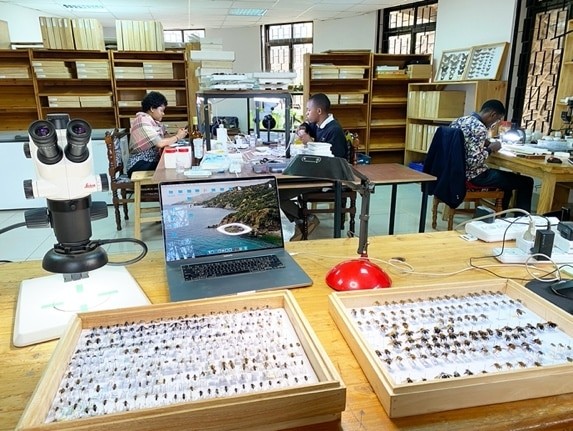
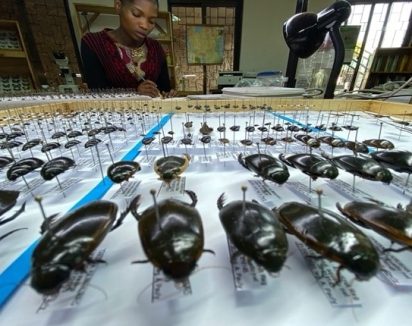
Taxonomic knowledge is essential for successful biodiversity management and conservation. In Afromontane ecosystems, invertebrates face a taxonomic impediment, with many species unknown and few or no scientists available with taxonomic expertise. It is imperative that invertebrate collections, knowledge, and capacity be built to bridge this taxonomic gap. The Tanzania Wildlife Research Institute (TAWIRI) will lay the foundation for this bridge through invertebrate surveys, training of young scientists, and the creation of a new database and identification tools. Data collection will focus on pollinators and freshwater invertebrates in some of the highest mountains in Africa, with the goal of mobilizing data and knowledge for decision makers involved in water resource development and climate change impact decisions.
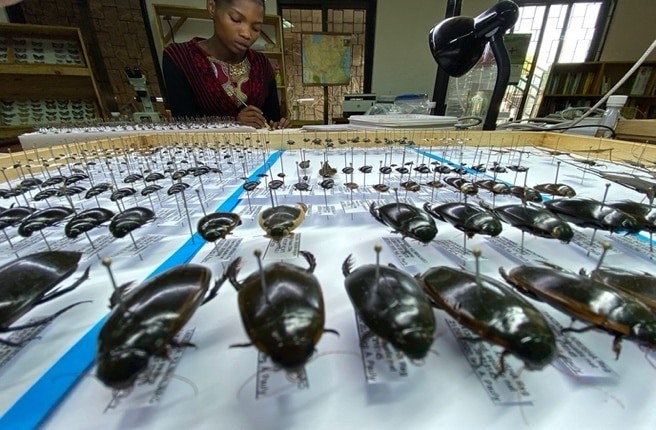
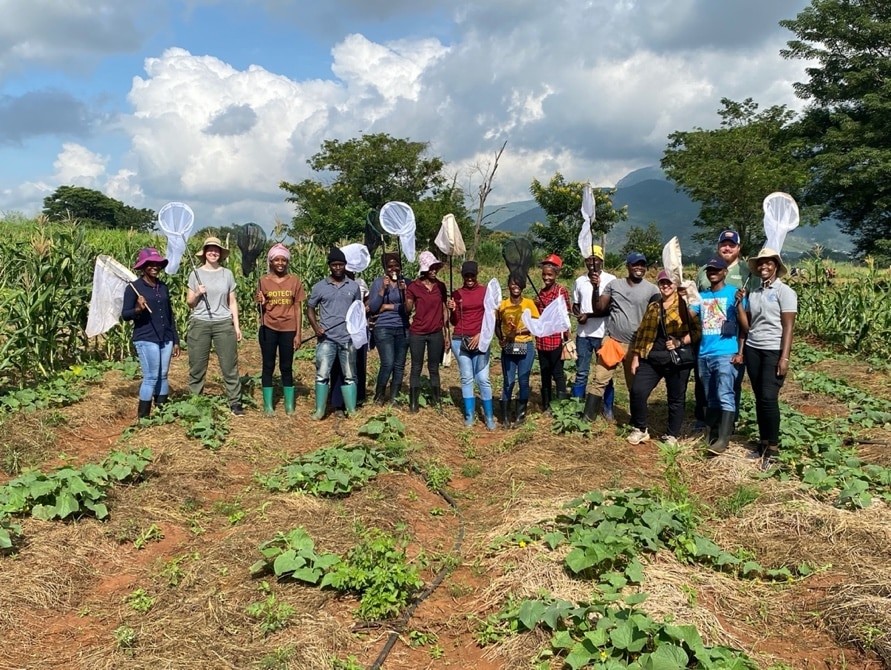
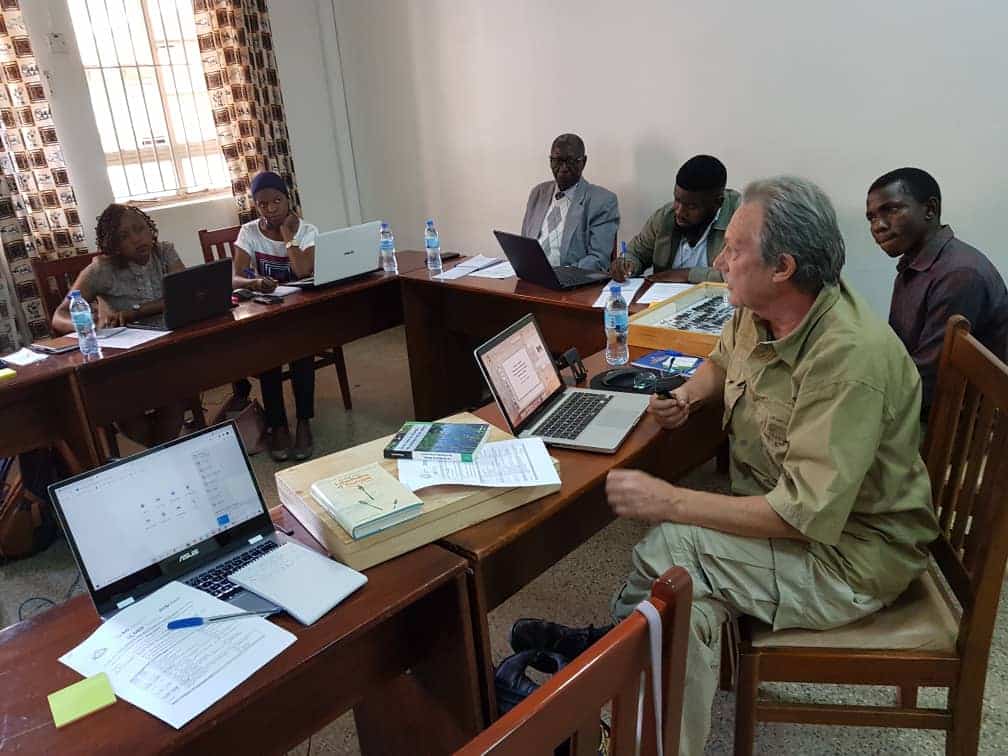
Six students will be trained in biological data collection and research methods through both field and lab work. Survey techniques will utilize trapping and selective hunting on plants, with barcoding performed to allow for biodiversity comparisons between mountains at a regional level. Surveys in these areas are expected to yield the documentation of a considerable number of new species. The data collected for each identified species will be digitized and include altitude, habitat, abundance, and relationships with flowering plants. Outputs include regional species distribution lists and the following taxonomically accurate montane biodiversity dataset targets:
Data will be made freely available on a web portal and will meet all Global Biodiversity Information Facility (GBIF) standards. In Tanzania, data will be published on the Tanzania Biodiversity Information Facility (TanBIF) and the TAWIRI Bioanuwai Portal, which was developed under TAWIRI’s 2018 JRS-funded project. In Uganda, data will be included in the database for bee pollinators developed by Makerere University in partnership with JRS.
The results of the surveys will also be published in scientific journals and national reports and knowledge advanced through outreach and engagement of local partners, including park officials and government authorities.
Please find here the project report : GTI-Tanzania_2021-2022_Final-Report